Regulation
Periodic crane inspection: who, when and what scope
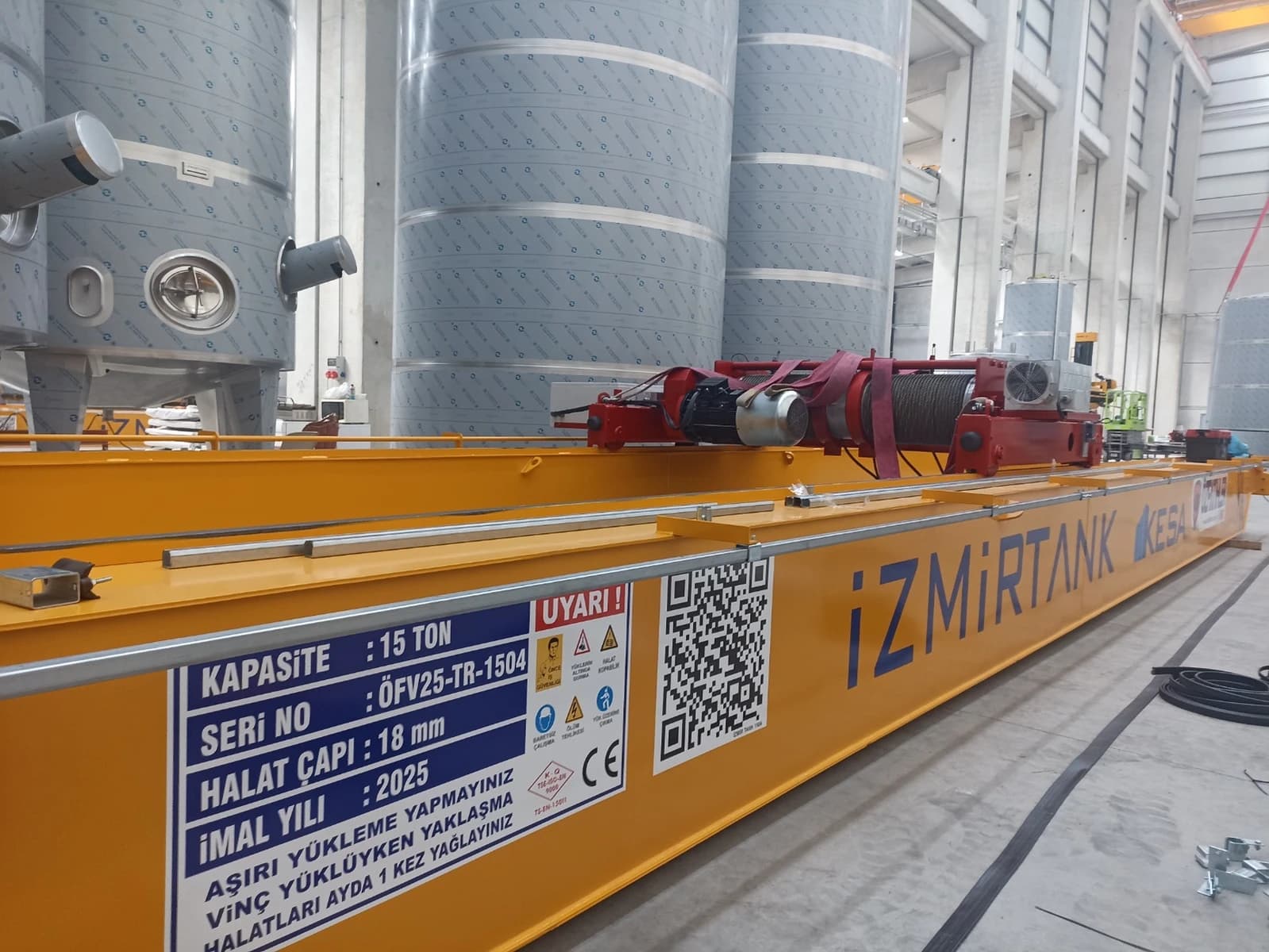
In Türkiye, lifting and conveying equipment is subject to periodic inspection under the Regulation on Health and Safety Conditions in the Use of Work Equipment. This is a legal obligation, not optional servicing.
Where responsibility sits
The obligation rests with the employer. Whoever built the crane and whoever installed it, the employer at the facility is responsible for having the inspection carried out and for keeping the records. It is the first document asked for in an audit.
Scope
Inspection is more than looking. Crack checks on the load-bearing structure, examination of welds, measurement of brake holding, assessment of rope and chain against wear limits, testing of limit switches and the emergency stop circuit, and load testing are all part of it.
Why records matter
After an accident, the first thing asked for is the inspection history of the equipment. Records kept regularly show the obligation was met and also make it possible to trace when a fault began. Seeing how rope wear progressed across three inspections beats waiting for it to part at the fourth.
Relation to maintenance
Periodic inspection is a finding; maintenance is the intervention. Rectifying what an inspection finds is separate work. We build the post-installation maintenance plan around that distinction and keep findings and interventions as separate records.