Guide
How to gain hook height in a building with low headroom
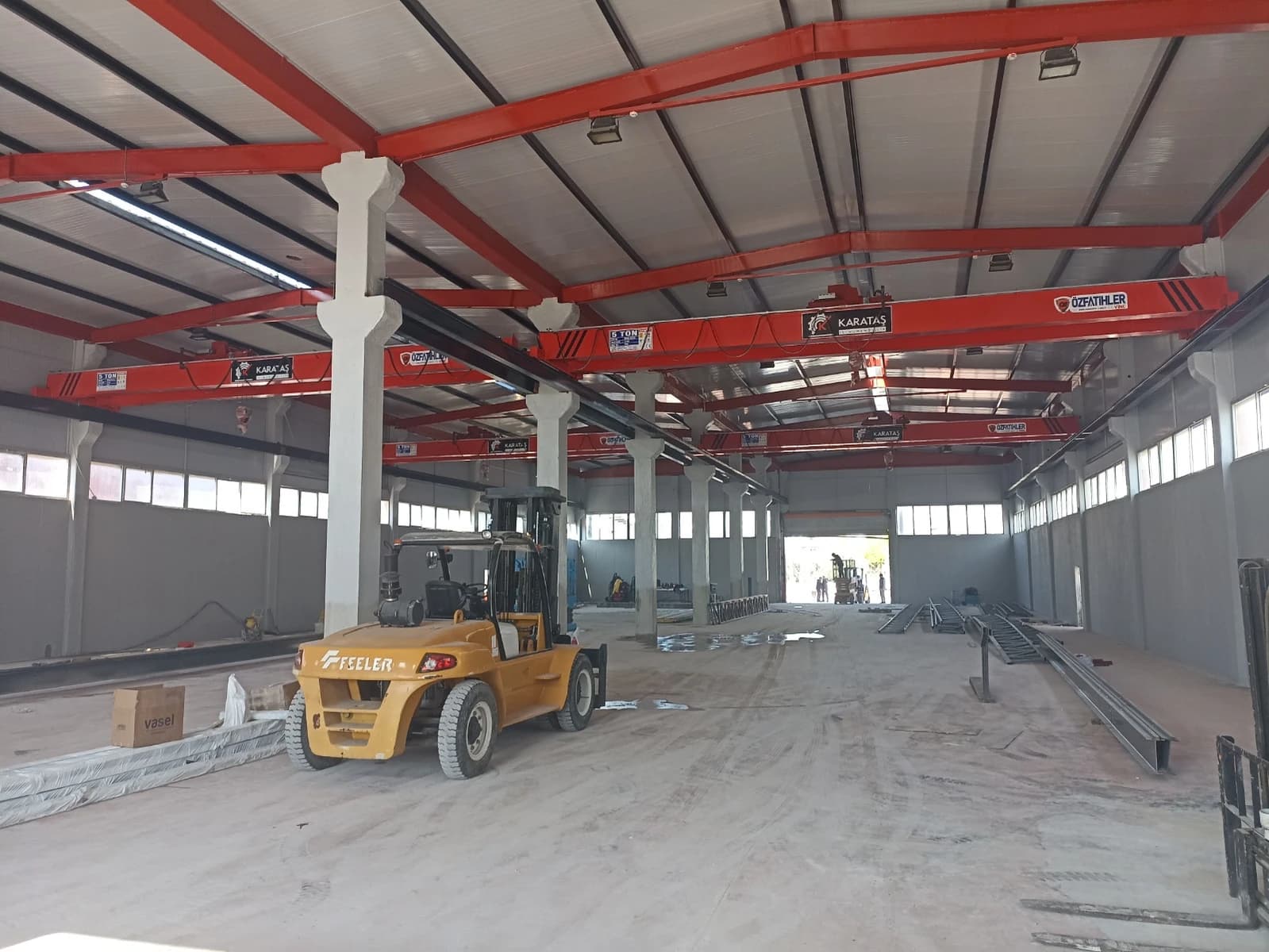
Raising the roof of a facility is usually not an option. Yet when hook height falls short, production suffers: a part cannot be lifted upright, a die cannot be passed over the machine. With the building fixed, there are three places to gain.
1. Trolley type
The first item setting the hook level is the trolley design. Low-pin and super-low trolley layouts bring the hook block connection as low as possible, cutting overall trolley height. On an existing crane it is often possible to gain by changing only the trolley, without replacing the girder — if the girder profile allows.
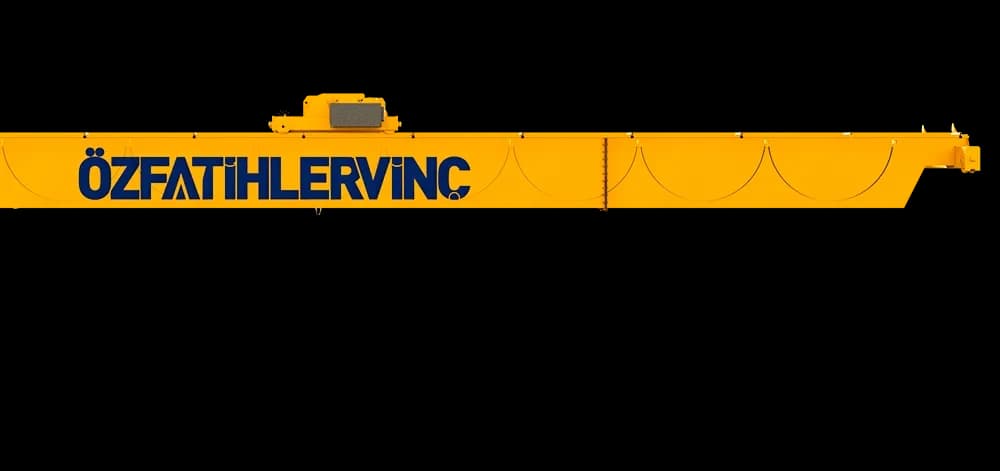
2. From single to double girder
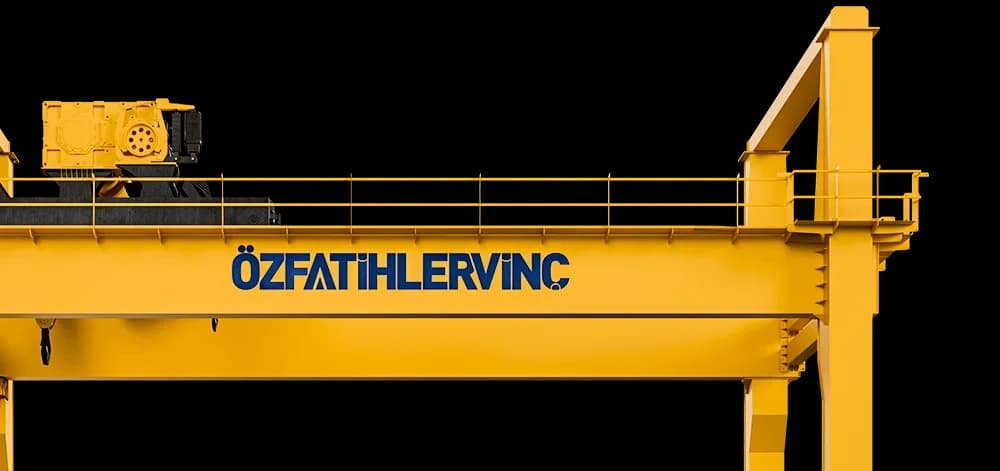
On a single girder the trolley hangs beneath the beam; the hook cannot pass the underside. On a double girder the trolley runs on top of the girders and the hook rises to girder level. This change usually yields the largest gain, but it increases girder weight and so runway load.
3. Elevated layout
The bridge is positioned above the rail line rather than level with it. The leg structure in between carries the hook level upward. Because the overall height of the crane inside the building increases, clashes with roof trusses, lighting and ventilation runs must be checked beforehand.
Which one for you
All three answer the same problem at different cost. Which one fits depends on the existing girder profile, the capacity of the runway and how many centimetres you need. Once measurements are taken, the gain can be shown numerically.