Guide
Four figures to check when choosing a crane: span, capacity, hook height, duty
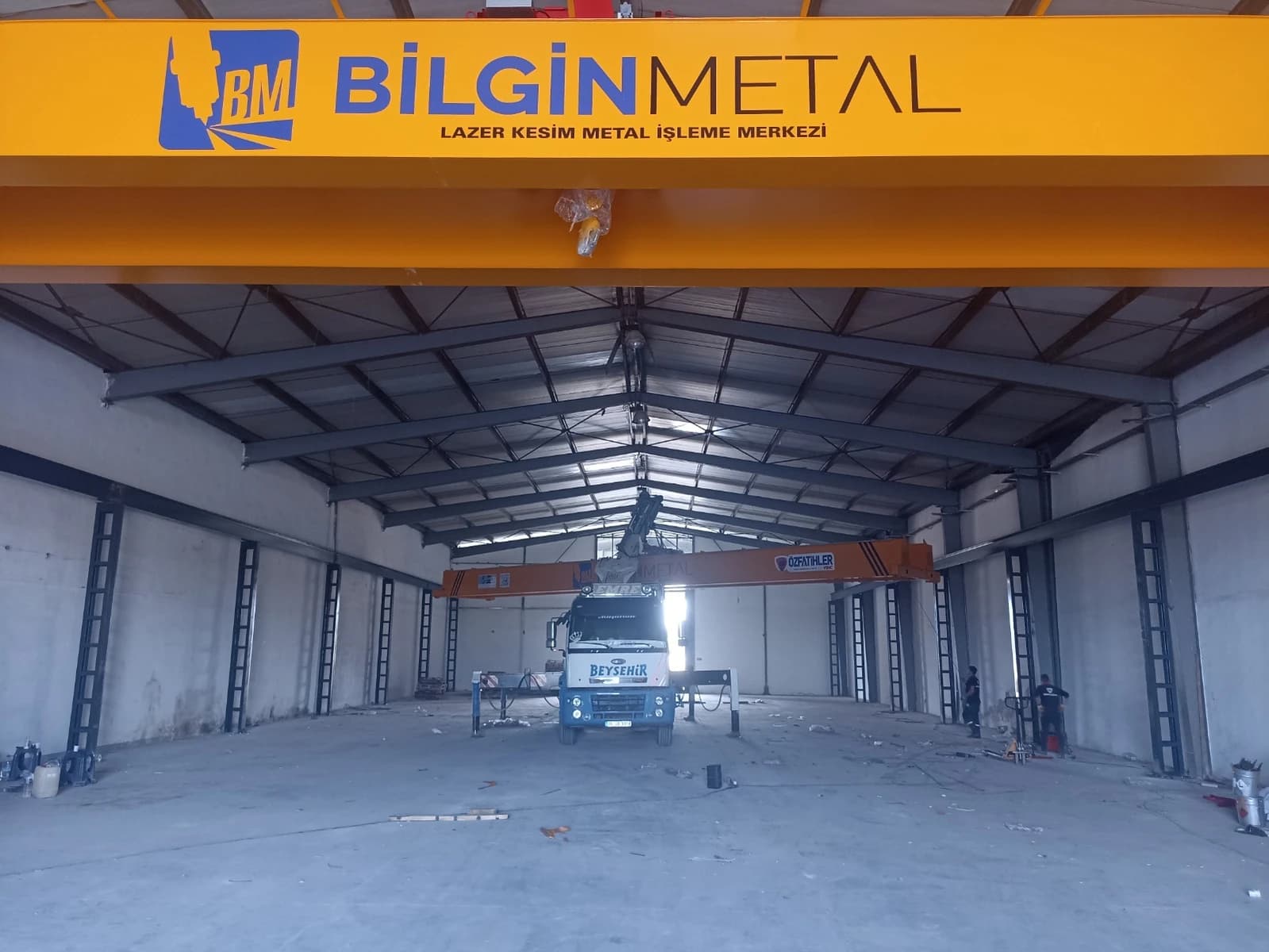
Most businesses asking for a crane quote give one number: tonnage. Yet tonnage is only a quarter of the calculation. A price given without the other three either comes out too high or does not hold up on site.
1. Capacity
What enters the calculation is not the heaviest load but the heaviest load plus the lifting attachment. Slings, a spreader beam, a magnet or a special hook arrangement all add their weight. Skip this step and the crane is adequate on paper but works at its limit in the field.
2. Span
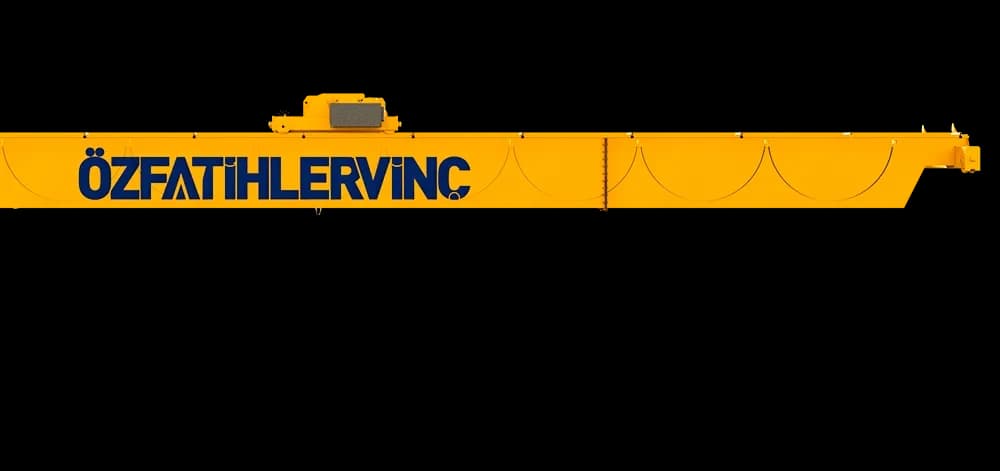
The distance between the two rail axes. As span grows, girder section grows quickly; doubling the span more than doubles girder weight. Planning the rail track wider than needed therefore goes straight onto the cost.
3. Hook height
The highest level the load can reach. It is confused with building height but is not the same: girder depth, trolley design and hook block length all come off it. In a facility with limited headroom, choosing a low or super-low trolley claws back some of this.
4. Duty cycle
How many lifts the crane makes per day, and how much load it carries on average, sets the duty class (FEM). A crane making three lifts a day and one making three hundred cannot be built alike, even at the same tonnage.
All four move together
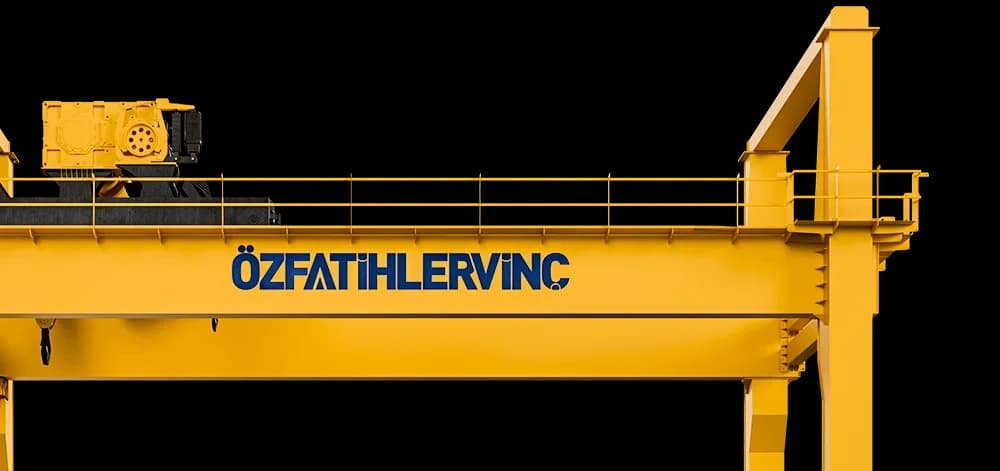
These four figures are not independent. Moving to a double girder to gain hook height changes girder weight, and with it wheel pressure and foundation load. Narrowing the span reduces girder section but constrains the layout. A correct quote comes from assessing all four together.