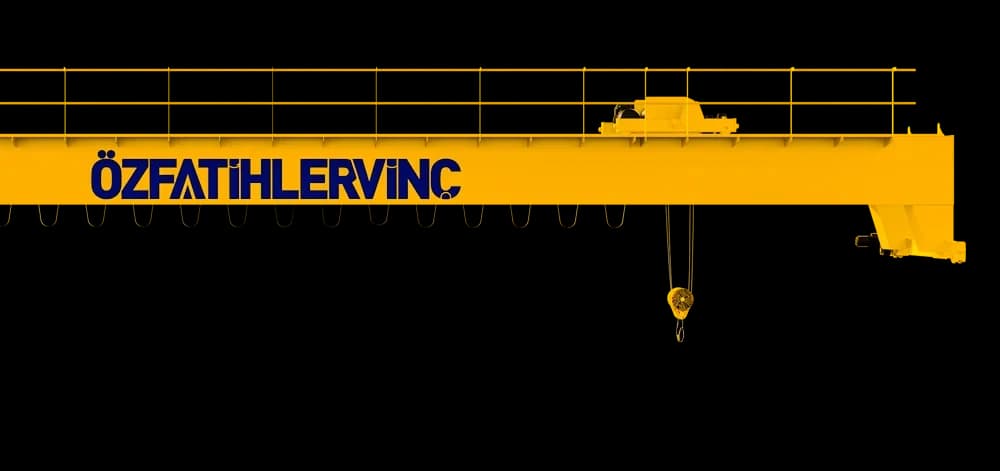
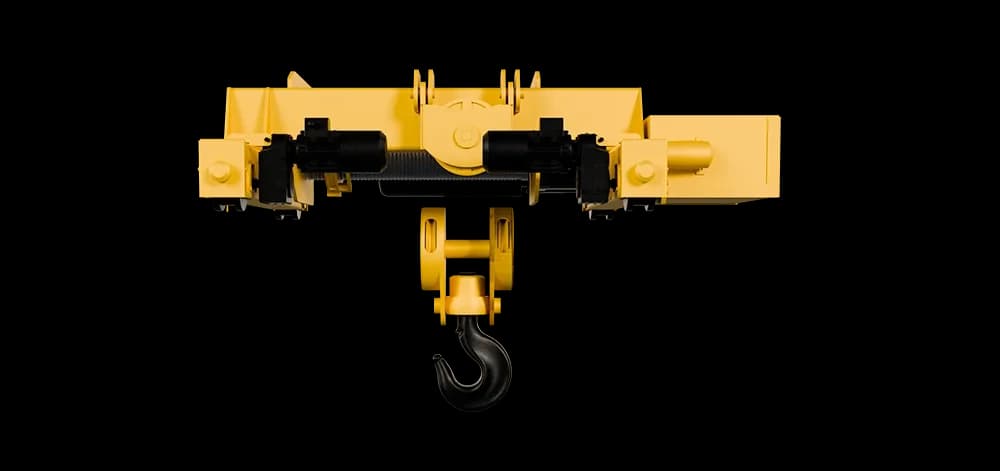
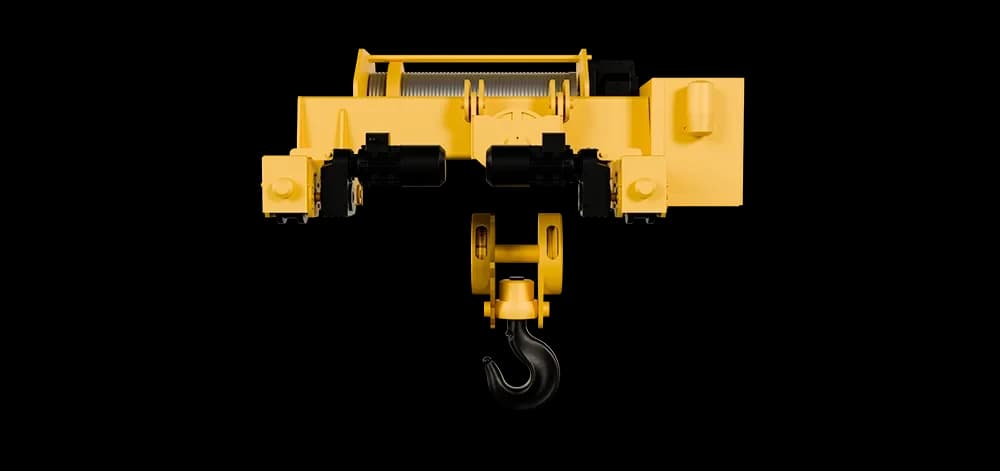
A super-low trolley goes one step beyond the low-pin layout. The drive group and hook block are rearranged to reduce the overall height of the trolley to a minimum.
When it becomes necessary
In buildings with genuinely restricted headroom, a standard trolley cannot deliver the required lifting height. Older workshop buildings, production lines beneath a mezzanine, basement manufacturing areas and warehouses where a crane was added later all fit this description.
In such cases the options are limited: either the building is altered — raising the roof, moving the runway — or the lifting arrangement is fitted within the building's dimensions. The second is almost always cheaper and faster.
What it costs
The compact arrangement has a price. Because components sit close together, maintenance access is narrower than on a standard trolley, and gearbox and brake servicing must be planned more carefully. Manufacturing cost is also higher.
The super-low layout is therefore chosen only where hook height is genuinely critical. Once measurements are taken, the hook levels achievable with standard, low-pin and super-low arrangements are shown side by side, and the decision is made against those numbers.
Selection
Capacity, duty class and girder profile are assessed together. For a retrofit, the additional load the runway can carry is also checked.
Applications
Low assembly bays, lines beneath a mezzanine, basement production areas, converted warehouse buildings.